


Kenya is positioning itself as East Africa’s hub for healthcare innovation, championing the Digital Health Triangle—a powerful framework that aligns Universal Health Coverage (UHC), primary healthcare, and digital health technology to deliver equitable and sustainable care.
At a high-level networking event hosted by the World Health Expo (WHX) in Nairobi, government officials, health NGOs, and private-sector leaders discussed strategies to accelerate this transformation. The message was clear: collaboration is urgent, especially as overseas donor funding declines.
“The future of universal healthcare depends on how well we collaborate across sectors,” said Mary Muthoni, Principal Secretary, Government of Kenya. “The private sector must step in—not only as investors but as innovation partners—to drive digital transformation at the community level.”

Kenya’s progress has been fuelled by supportive policies, public-private partnerships, and a vibrant healthtech ecosystem. From AI-powered diagnostics to mobile patient records, digital tools are bridging rural-urban healthcare gaps and enabling connected, community-driven care.
Driving Change Through Partnerships
Amref Health Africa, which reaches over 30 million people, reaffirmed its long-term partnership with WHX. “Our journey with WHX is rooted in shared values of innovation and community care,” said Corazon Aquino, Acting Global Director for Partnerships. “We are committed to co-developing inclusive digital health solutions for underserved populations.”
WHX Nairobi, supported by Kenya’s Ministry of Health, is becoming a strategic platform for partnership-building, investment, and global exposure for African healthcare innovators.
“WHX Nairobi and WHX Nairobi Labs deliver high-value opportunities to unlock healthcare growth across Africa,” said Daniel Green, Exhibition Manager, Informa Markets. “We’re proud to bring stakeholders together to advance health innovation and infrastructure in the region.”
The Digital Health Triangle Explained
Universal Health Coverage provides the moral and policy imperative: healthcare for all, without financial hardship.
Primary healthcare ensures people-centred, prevention-focused services at the community level.
Digital health delivers the tools, data, and connectivity to make UHC and primary care scalable, efficient, and locally relevant.
This interconnected approach is designed to achieve sustainable, tech-enabled health systems that work for every African, regardless of location or income.
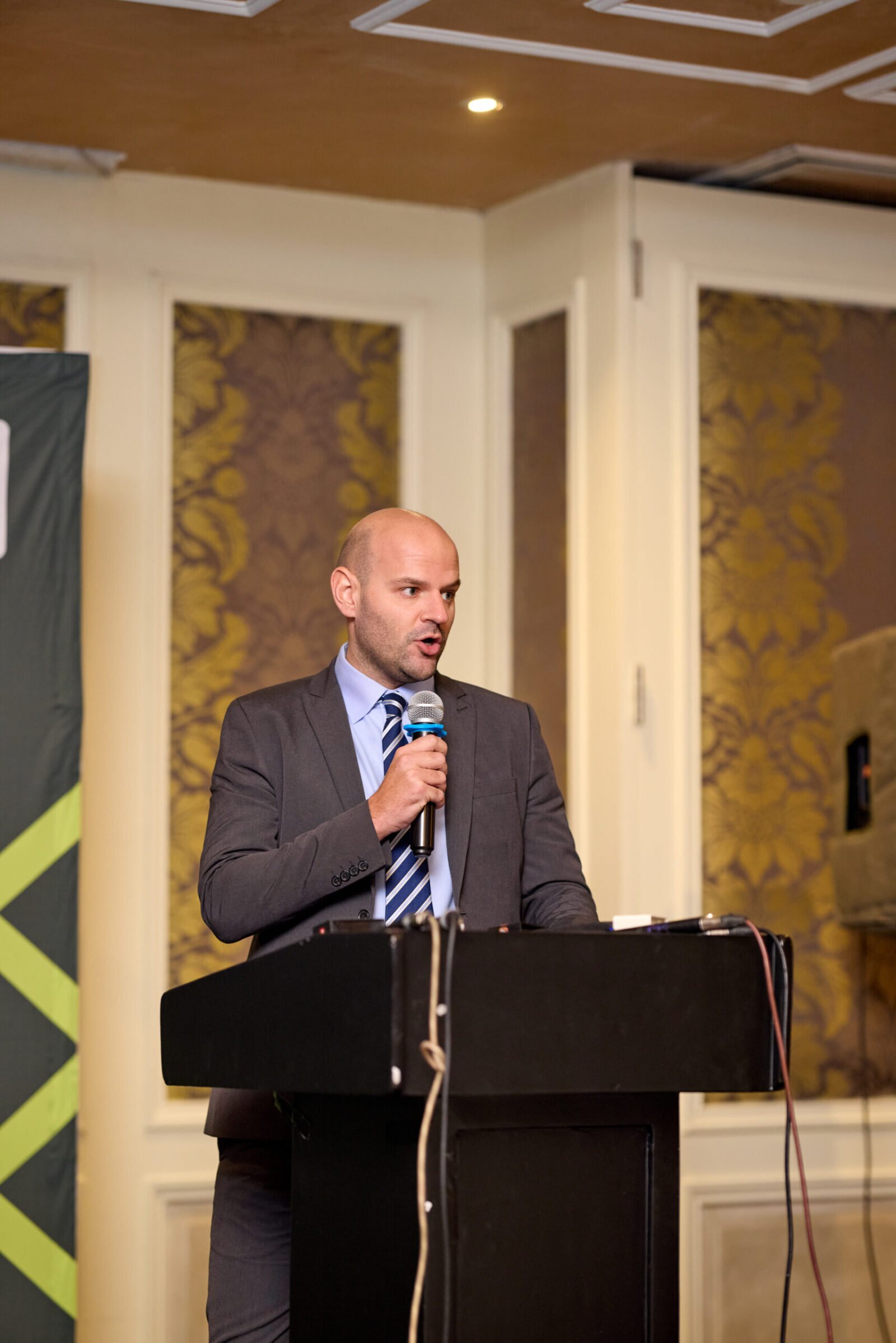
Stakeholders agree the priority now is scale—expanding partnerships, integrating services, and accelerating community-level digital adoption. As Tom Coleman, Portfolio Director for Informa Markets, put it:
“Strong primary care systems, universal access, and digital innovation must move together. Without that balance, we won’t get the scale or sustainability Africa needs.”
WHX Nairobi will return in October, continuing to unite thought leaders, innovators, and change-makers to shape the future of healthcare in East Africa.
To participate, visit:















Leave a comment